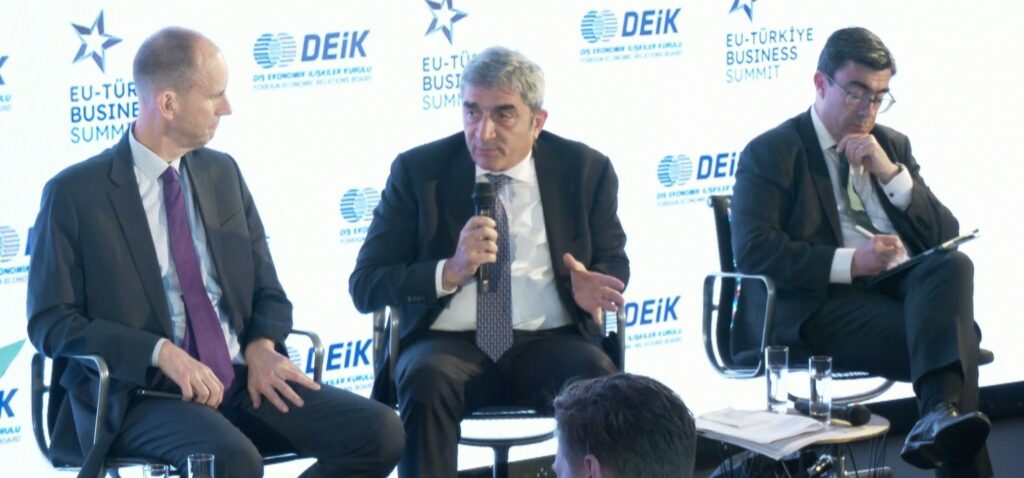
It was our pleasure to attend the EU–Türkiye Business Summit 2025 which took place on November 17 at the Egmont Palace in Brussels. This gathering brought together 400 policymakers and business representatives to discuss the economic relationship between the two regions. The discussions focused on how both parties can maintain trade stability and industrial competitiveness during a period of global economic shifts.
Primary Outcomes: Technical and Economic Alignment
The summit moved beyond general dialogue to address specific goals regarding the Green, Digital, and Geopolitical transitions. Key results included:
- Customs Union Modernization: There was a shared agreement on the need to update the 1995 Customs Union. Participants discussed expanding the scope to include services and e-commerce. Progress was also reported on reducing administrative barriers, such as trucking quotas and visa processing for business travelers.
- Supply Chain Integration: Speakers highlighted Türkiye’s role as a production hub and a transit point for the “Middle Corridor,” offering an alternative to long-distance supply routes.
- Digital Standards: The summit established a framework to align Turkish technology sectors with EU AI and cybersecurity regulations, facilitating the movement of digital products across borders.
But the practical outcome of the current cooperation is the Türkiye Industrial Decarbonisation Investment Platform.
The TIDIP is designed to mobilize a massive €5 billion in total investments by 2030.
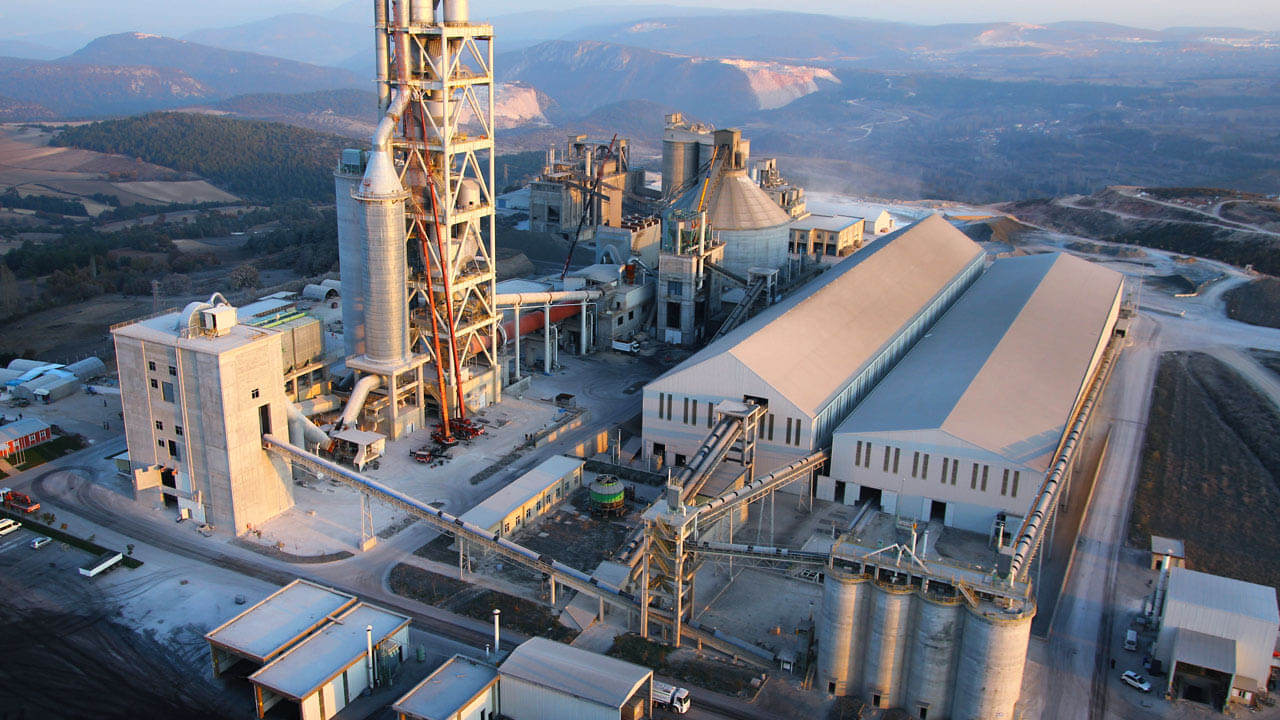
Managed by the Turkish Ministry of Industry and Technology alongside the EBRD, World Bank, and IFC, TIDIP is a financial framework designed to reduce emissions in Turkish industry. It focuses on sectors highly affected by EU environmental regulations: Steel, Aluminum, Cement, and Fertilizer.
Functional Advantages for Turkish Businesses
TIDIP provides specific features that differ from standard commercial banking:
- Financial Terms: The platform combines international grants with loans to offer interest rates that are lower than current market averages. It provides repayment periods of 10 to 15 years, which aligns with the long-term nature of industrial upgrades.
- Technical Assistance: The platform utilizes a €20 million grant pool to pay for specialized auditors. These experts conduct onsite assessments and create a “Customized Decarbonisation Investment Plan” for the factory. The cost of these consultants is covered by the platform rather than the business owner.
- Regulatory Compliance: By lowering carbon intensity through these funds, exporters can reduce their financial liability under the EU Carbon Border Adjustment Mechanism (CBAM), which begins its mandatory payment phase in 2026.
The application of this framework is already in progress within the construction materials industry.
A specific example is the €50 million loan provided to Çimsa by the EBRD under the TIDIP framework.
- The Project: The capital is being used to build a new Calcium Aluminate Cement (CAC) kiln and update existing facilities at the Mersin plant.
- The Result: Because CAC production results in fewer emissions than standard grey cement, this upgrade allows the company to export products to the EU that fall into lower carbon-tax brackets, maintaining price competitiveness.